Delhi Government Moves to Curb E-Rickshaw Overcrowding and Traffic Chaos
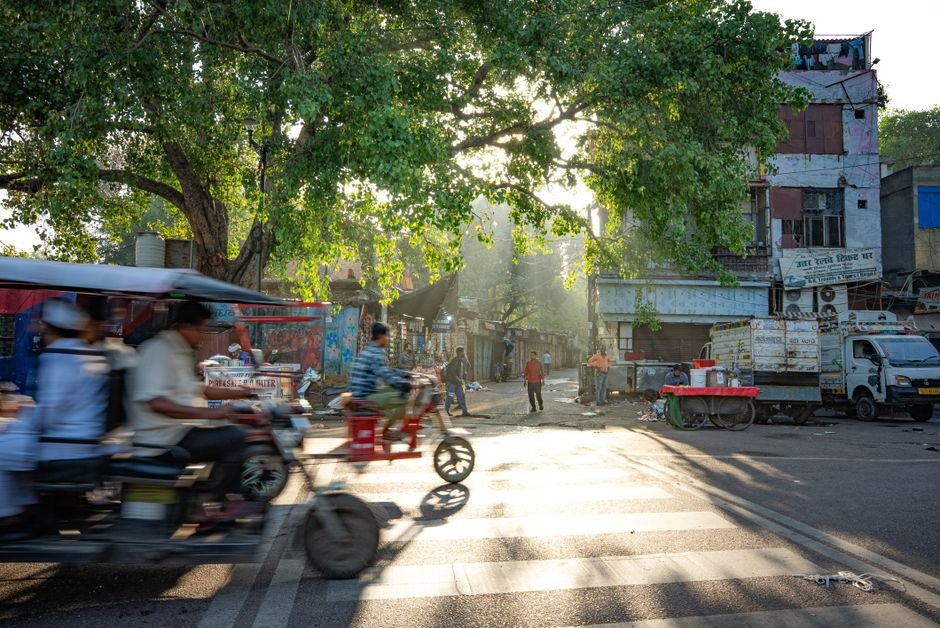
Introduction to Delhi Traffic Challenges
Delhi's bustling streets have long been grappling with severe traffic congestion, largely driven by the exponential growth of commercial vehicles. Among these, e-rickshaws have become a primary mode of last-mile connectivity, yet their unchecked proliferation is causing massive gridlocks across residential and commercial hubs. Commuters frequently face delays as these slow-moving vehicles navigate major roads without proper lane discipline, prompting the local administration to step in with urgent regulatory measures.
Capping the Total Number of Vehicles
To restore order on the roads, the Delhi government is actively preparing to limit the total number of registered e-rickshaws to 2.5 lakhs. Transport authorities believe that an unmonitored surge in vehicle numbers is unsustainable for the city's existing infrastructure. By implementing this strict numerical ceiling, officials aim to balance commuter convenience with optimal traffic management, ensuring that public roads do not become completely overwhelmed by commercial transport.
Stricter Registration and Compliance
Beyond merely capping the vehicle count, the administration is tightening verification processes for new and existing e-rickshaw operators. Mandatory GPS installation, valid driving licenses, and proper vehicle documentation will now be strictly enforced. Authorities intend to weed out illegal and unregistered operators who bypass safety standards, thereby improving overall road security for pedestrians and passengers alike.
Impact on Daily Commuters and Drivers
While the sweeping policy change may cause temporary disruptions for transport operators, it promises long-term relief for everyday commuters. Smoother traffic flow means reduced travel times and less frustration during peak office hours. Additionally, organized transport management will elevate the city's aesthetic and operational standards, creating a safer urban environment that aligns with modern metropolitan expectations.
Future Outlook for Urban Mobility
As Delhi transitions toward a more structured public transit ecosystem, this decisive action marks a crucial step in urban planning. Controlling the e-rickshaw population will pave the way for greener, more disciplined, and systematic traffic solutions. The government remains committed to supporting sustainable mobility while ensuring that city roads remain accessible and efficient for everyone.